
Inspired eating
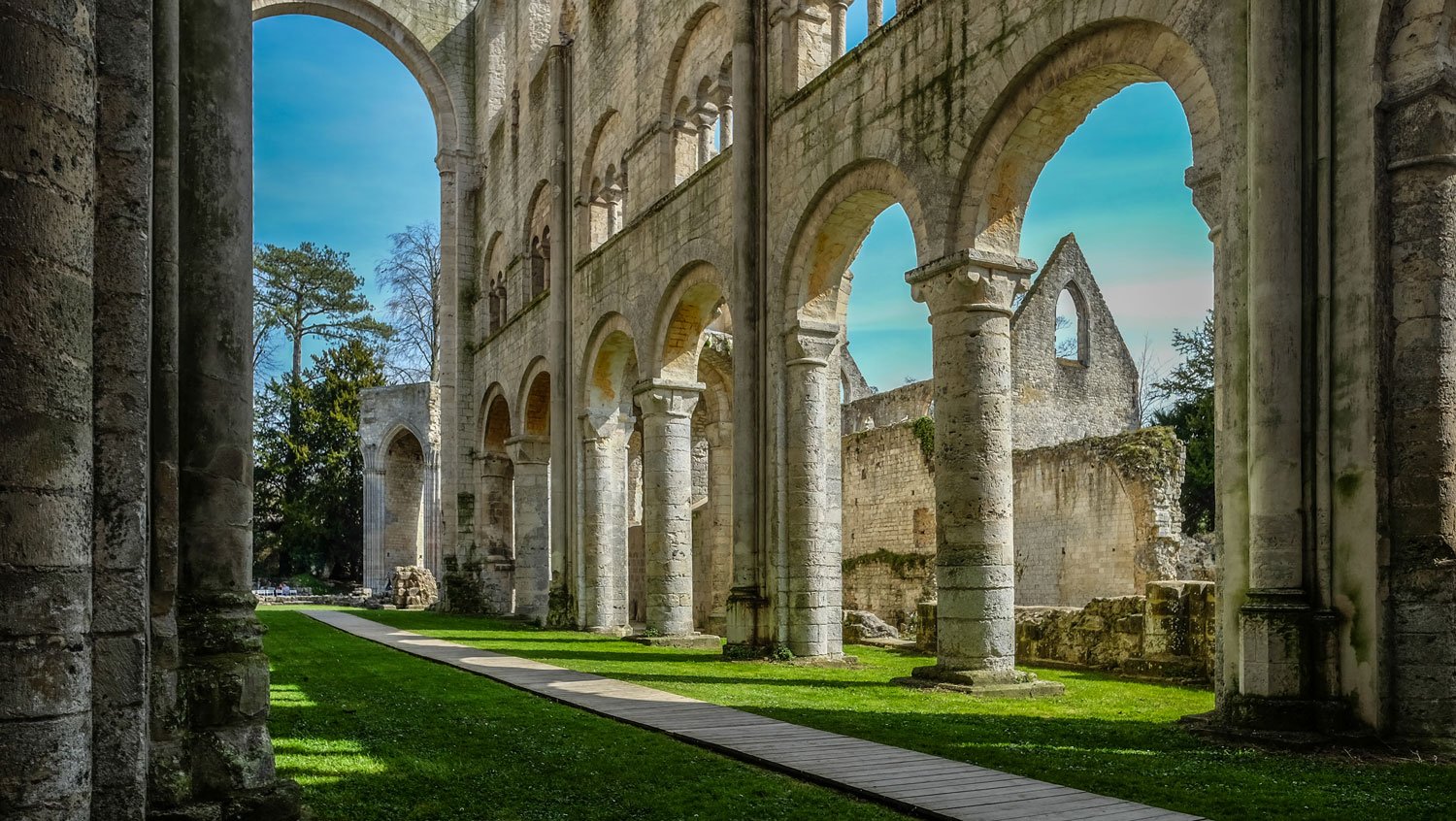
Monastic life — the term conjures up images of bare-bones, austere conditions and ultra-simple fare. And while there’s some truth in that categorization, many of life’s luxuries — sparkling wines, rich liqueurs, and decadent cheeses — can be attributed to the creativity and industry of monks who were committed both to a simple lifestyle and to gustatory R&D. From Trappist to Carmelite to Benedictine, monastic orders have been historically linked to elevated food and drink. In fact, some of the world’s most decadent and special cheeses have their roots in Europe’s monasteries. Case in point: Port Salut cheese, a 19th-century achievement in semi-soft, creamy, mellow flavor that was created by French Trappist monks who lived at the Port-du-Salut Abbey.
That’s just one of the varieties that disciplined, scientific-minded monks are behind: With seasonal religious restrictions on meat, dairy was often the protein source of choice in the cloisters. Storage, always a problem for perishables like liquid milk, led to innovation and experimentation, and oftentimes the “house” cheese would be offered to the public as well. Some varieties caught on, cottage-industry style, and certain monasteries became known for their cheese offerings as much as their spiritual dedication.
The religious influence sometimes spilled out beyond sacred ground — Camembert cheese, while not a monastic innovation, was created by a Normandy farmer who was schooled on the craft in the late 1700s by an abbot from Brie, making it a monastic-adjacent cheese that has defied its humble beginnings and come to define decadence. Monastic cheeses are quite the departure from the simple fare you’d expect to see at the religious orders’ tables — still, their rich flavors align quite nicely with their rich historical legacy.