
Gateway cheeses: Find your new favorite
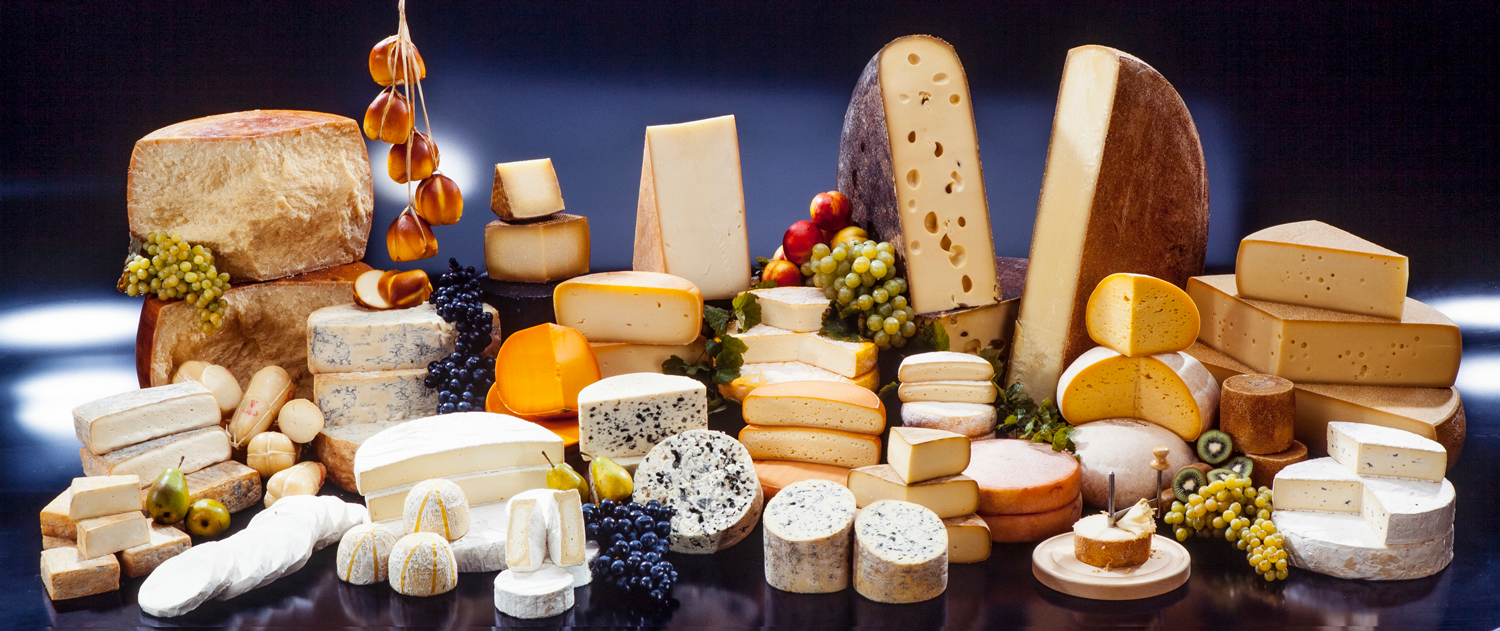
There’s an easy way to choose a new cheese or introduce one to those with cautious palates: Go with what you know — but build on it. The cheeses you and your family already love can lead the way to new favorites.
Cheeses are a lot like wines — there are so many on the market that it’s hard to confidently take a chance on an unfamiliar variety. Plus, the experts sometimes use language to describe cheese that could scare off the most adventurous eaters. Luckily, there’s an easier way to choose a new cheese, or introduce one to those with cautious palates: Go with what you know — but build on it. The cheeses you and your family already love can lead the way to new favorites:
If you like Muenster, explore cheeses made in the Port-Salut style. They’ll have that semi-soft texture, bright orange rind, and creamy interior, but the latter is even richer and more luscious. Some Port-Salut style cheeses have a higher fat content than Muenster, so they’re a bit softer and melt to a velvety finish even faster. If you’d like to refine your palate, try these cheeses side by side and see if you can pick up the slightly acidic flavor that’s sometimes present in a Port Salut-inspired cheese.
Fans of Swiss should give Gouda a go; the latter’s flavor profile runs adjacent to the famous sweet and nutty aspect of the former variety. When young, Gouda tends to be more sweet, and as it ages, it becomes more savory and aromatic, with the nuttiness becoming more prominent. Because the process to create these two cheeses is different — Gouda is a washed-rind cheese, which removes some of the lactose and makes for a sweeter experience — they each have their own charms and applications. Swiss is a little firmer, so Gouda has more melting power — try it in your favorite mac and cheese recipe to add a little depth to the flavor.
For lovers of mild cheeses like Monterey Jack, you can’t go wrong with Butterkäse. This exceptionally decadent but simple cheese will please the pickiest palate and is a great “next step” into the world of European cheeses. The name is German for “butter cheese,” and when you bite into it, you’ll learn why. A touch more sophisticated than Monterey Jack, but still approachable, Butterkäse goes well with fruit and cured meats. Buy extra and let it mellow in the refrigerator for a while; as Butterkäse ages, it can reach a spreadable consistency — just like its namesake.
Brie is soft, spreadable, and has a distinctive, bloomy white rind — and so do Camembert-style cheeses. Make the jump to the latter, and you’ll find a more robust flavor, with earthy and mushroom notes that will take you beyond the mild nature of Brie. The rich, gooey interior of both cheeses has made them famous for their melting qualities (cloak them in puff pastry and bake for a quick but unforgettable appetizer), but Camembert-style cheeses are a more intense experience.