
Is texture as important as taste? Cheese choices matter
In the dairy industry and the world of cheese competition, texture can make or break a cheese’s reputation. But for consuming at home, texture matters most for your intentions: Are you buying a cheese to add to a charcuterie board, for a melted meal, or to elevate your sandwiches?
As you’re shopping for cheese, some of the label’s descriptors will pertain to texture: You’ll see varieties described as soft, semi-soft, semi-firm, and firm. While what they’re describing is pretty self-explanatory — some cheeses, such as Butterkäse, can be soft enough to spread, and others like Parmesan can be firm to the point of brittleness. In the dairy industry and the world of cheese competition, texture can make or break a cheese’s reputation. But if consuming at home, texture matters most for your intentions: Are you buying cheese to add to a charcuterie board, for a melty meal, or to elevate your sandwiches? There are ideal textures for each application, and you’ll want to choose with that in mind. Here’s a quick primer on what affects texture, and what that means for your choices:
Moisture content drives texture more than any other factor in cheesemaking. In cheeses with high moisture levels, the milk proteins are packed loosely and are surrounded by water. If the cheesemaker’s aim is a soft cheese, this scenario is perfect — but if the goal is something firmer, techniques will take it there. Moisture is removed by cutting the curds, heating, or physically pressing down on the cheese, all of which will create a denser structure.
Fat content also affects texture and is an important aspect of how the cheese will act under heat — whether that’s during cooking or in your mouth. Fat restricts the protein’s ability to create a denser structure within the cheese, resulting in a softer and creamier consistency.
Aging is another cheesemaker’s tool that affects texture. Cheddar is a dramatic example of how aging affects not just the flavor of the cheese, but how it slices, melts, and feels. Young Cheddars are often semi-firm; as they age, moisture evaporates, proteins break down, and the cheeses become firm and crumbly.
So which cheeses should you choose? If you’re looking for prime meltability, many semi-soft cheeses contain both high moisture and fat levels. Havarti is a great melting cheese and brings a classic essence to most dishes; it plays well with several flavor profiles and is versatile enough to keep on hand for both snacking and cooking.
For topping pastas, soups, and salads, look to firm cheeses. Dry Jack, Asiago, and Parmesan are perfect for garnishing and augmenting dishes. Aged Cheddar, also easily grated, can transform a simple biscuit or other baked-goods recipes. It’ll hold its shape and create little pockets of intense flavor.
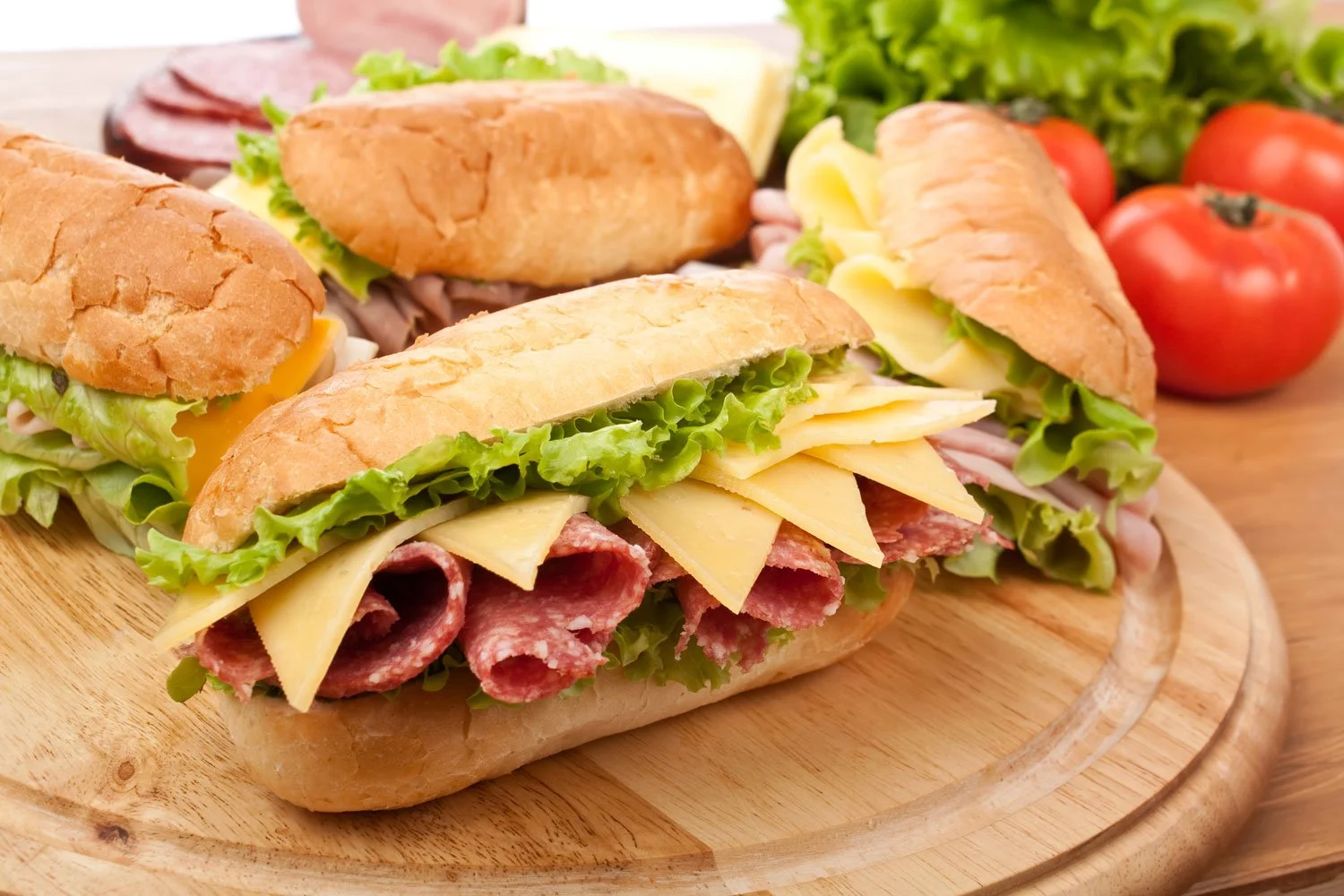
Cold sandwiches can benefit from cheese in the middle range of texture, from semi-soft to semi-firm. Gouda, for example, goes well with all kinds of deli meats, whether cured or uncured — it adds a sweet, slightly nutty facet that nicely offsets saltier selections. A Muenster or Port-Salut style is another optimal sandwich cheese choice. Both have a higher fat content and contribute a richness to everyday sandwich ingredients that you’ll appreciate.